
Gated Community Amenities in Bonita Springs Explained
December 4, 2025
December 4, 2025
Wondering what you really get behind the gates in Bonita Springs? With so many communities, it can be tough to tell which amenities fit your lifestyle and which fees cover what. You want a beautiful setting and a smooth ownership experience without surprises. In this guide, you’ll learn how gated community amenities work, what to expect in Bonita Springs, and how to compare options with confidence.
Let’s dive in.
Bonita Springs sits on Florida’s Gulf Coast, where resort-style living and outdoor access drive many buying decisions. Behind the gates, you’ll find different community structures, each with its own rules, budgets, and amenity access.
Why this matters: community structure determines who pays for amenities, who can use them, and how rules are enforced. For an upper-range example of breadth, large master-planned settings like Pelican Landing illustrate how comprehensive amenity packages can be.
Amenities vary by community, but most Bonita Springs gated neighborhoods center on social, fitness, water, and outdoor living. Here is what to expect, plus practical tips for using them well.
Clubhouses often feature multipurpose rooms, event space, card rooms, and casual dining or a café. You can usually reserve rooms for private events. Expect policies for reservations, deposits, and clean-up. Guest limits and time windows are common.
Fitness centers typically include cardio and weight equipment plus rooms for classes. Communities may offer yoga, spin, or water aerobics. Instructor-led programs can carry a separate fee or require advance signups. Check operating hours and age or supervision rules for minors.
You will commonly find heated resort pools, lap pools, and sometimes splash areas. Lifeguard presence varies by community and season. Larger communities may use capacity limits or reservations during peak times. Ask about seasonal schedules and closure procedures for maintenance.
Expect a mix of clay and hard courts. Pickleball continues to expand across Bonita Springs communities. Courts often use reservation systems, and lessons or clinics may be offered by on-site pros for an additional fee. Review guest policies and prime-time rules.
Some communities include golf within a private or semi-private club. Tee time priority and access can depend on membership tier. Golf memberships are often separate from HOA dues, and they may be capped or waitlisted. Confirm whether dining and social components require a club membership.
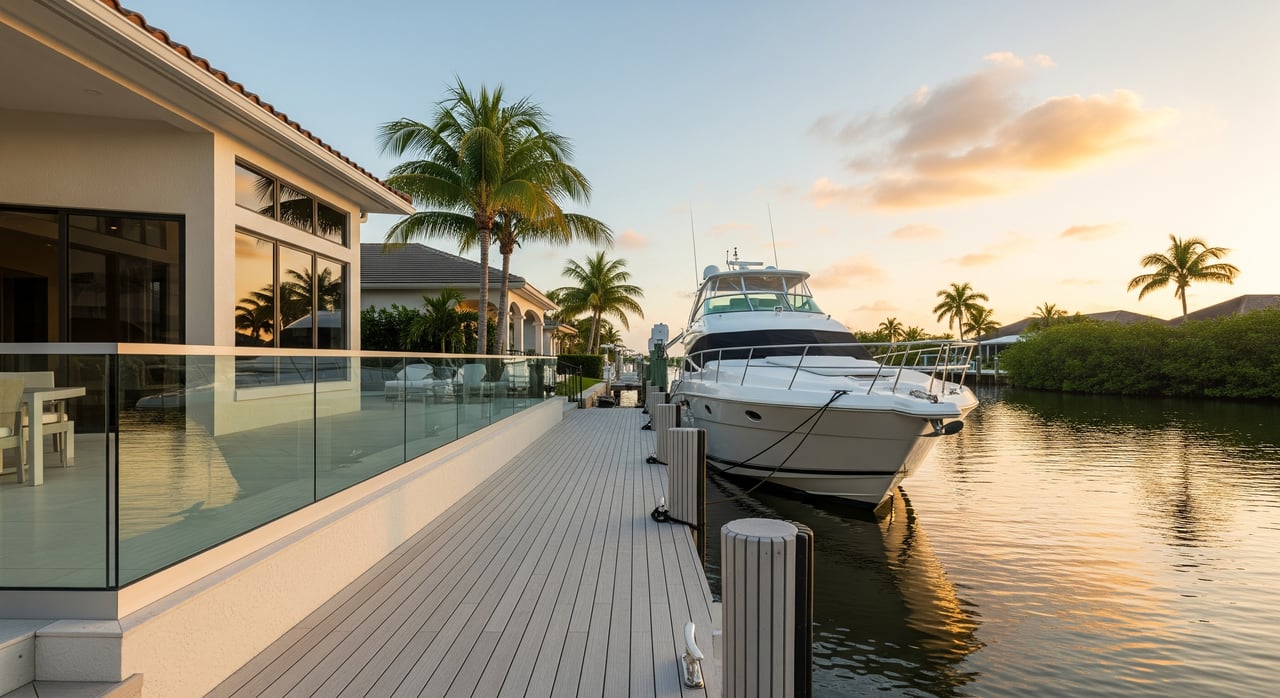
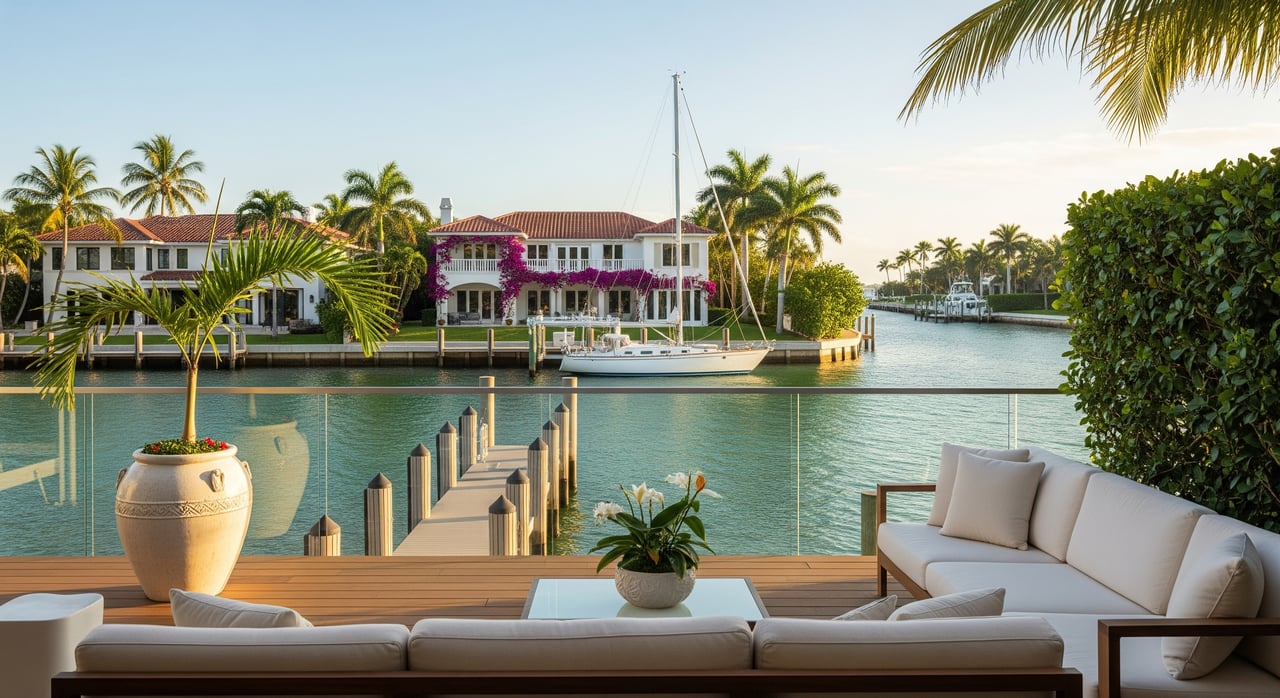
Waterfront communities may offer docks, kayak launches, or fishing piers. Slip availability and waitlists are common, and slips often involve separate rental or ownership fees. Local environmental rules, no wake zones, and hurricane preparation policies may apply. Ask for current waitlist procedures and fees if boating is a priority.
Many communities maintain walking and biking paths, boardwalks, and overlooks. These spaces are usually for residents and guests only. Maintenance and access hours are typically set by the association.
Larger developments sometimes include a property management office, security office, and occasional dining or retail. Staffing levels affect service availability. Third-party services like housekeeping or catering are often available and billed separately.
Irrigation, lighting, and common-area landscaping fall under the association’s responsibilities. Stormwater systems and roads may also be maintained by the HOA or master association. The scope and quality of upkeep influence curb appeal, safety, and long-term assessments.
Not all gates operate the same. Understanding access and guest rules helps you plan for family visits, vendors, deliveries, and short-term rentals if they are allowed.
Amenities are governed by association documents and budgets. Knowing which documents to review will help you understand how amenities are funded and what rules apply.
Bonita Springs usage patterns shift when seasonal residents arrive. That can affect how and when you enjoy amenities.
Use this checklist during your contingency period to reduce surprises and align expectations.
On-site checks and conversations:
A beautiful entry is important, but the paperwork tells the full story. Pause and dig deeper if you see:
Start with your daily life. Do you want morning pickleball, a quiet lap swim, or priority tee times? Is kayak access or a marina slip a must-have? Are you planning to host frequent guests or rent the property seasonally if allowed? Once you define your must-haves, compare how each community manages access, sets budgets, and enforces rules.
If you prefer a full-service environment, look to larger master-planned settings with extensive social and outdoor amenities. If simplicity and lower dues are key, a single HOA subdivision may be a better fit. For low-maintenance living with lock-and-leave convenience, consider a gated condominium association and focus on condo-specific rules and insurance.
When you are ready to tour and review documents, connect with a local advisor who knows how each Bonita Springs community operates. For curated options, careful document review, and a smooth closing, reach out to Angela Graziano. Schedule Your Free Consultation.
Stay up to date on the latest real estate trends.

New Construction
Why local expertise and new construction experience matter in a shifting Naples real estate market.

Luxury Listing
A year guided by purpose, people, and place
buyers
A guide for out-of-state buyers building new in Naples — from timelines to upgrades, fees, and choosing the right community.
Luxury Listing
A Naples Realtor’s insight into choosing the right new construction community based on lifestyle, amenities, and long-term value
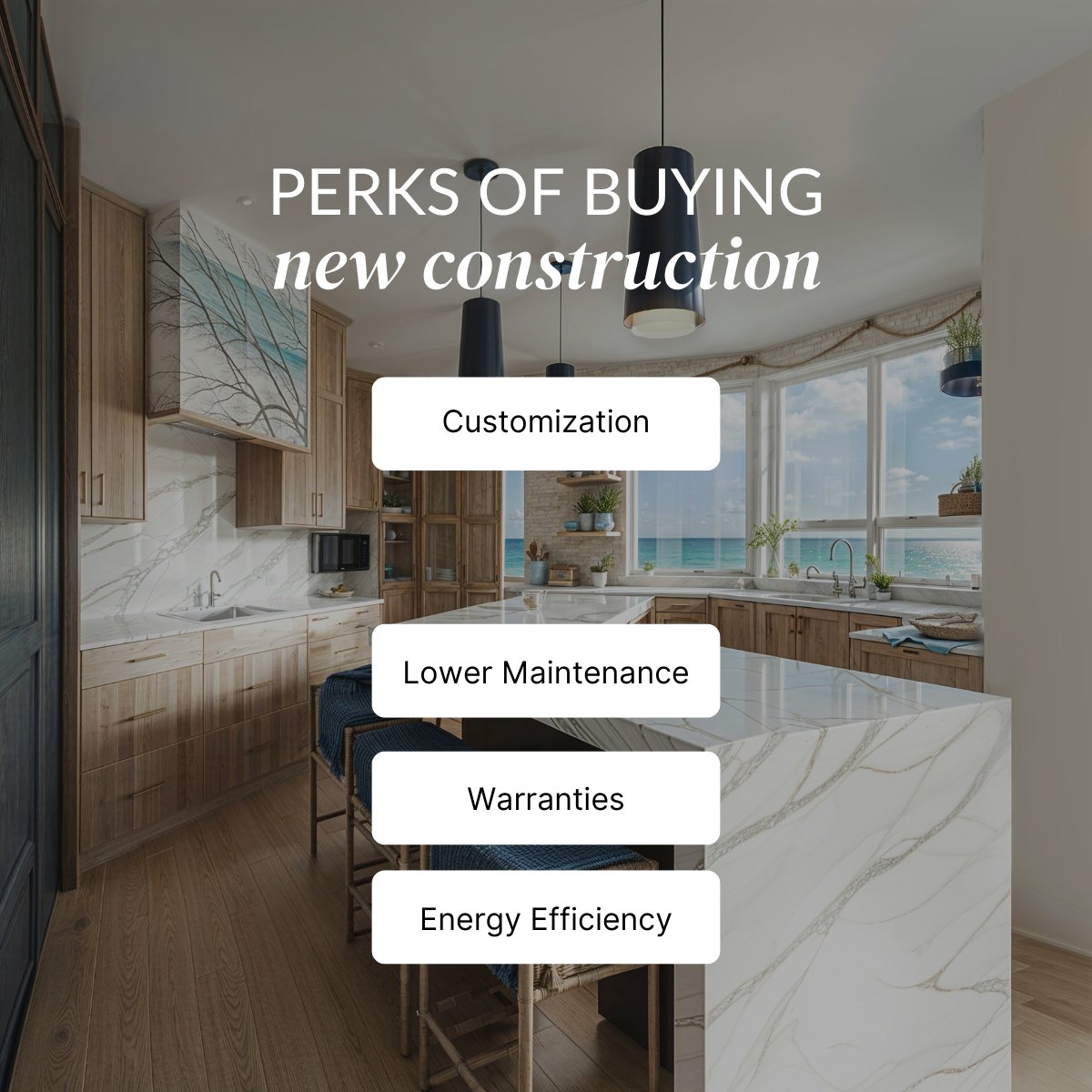
New Construction
A Naples Realtor’s guide to evaluating incentives, upgrades, and true pricing in new construction homes.
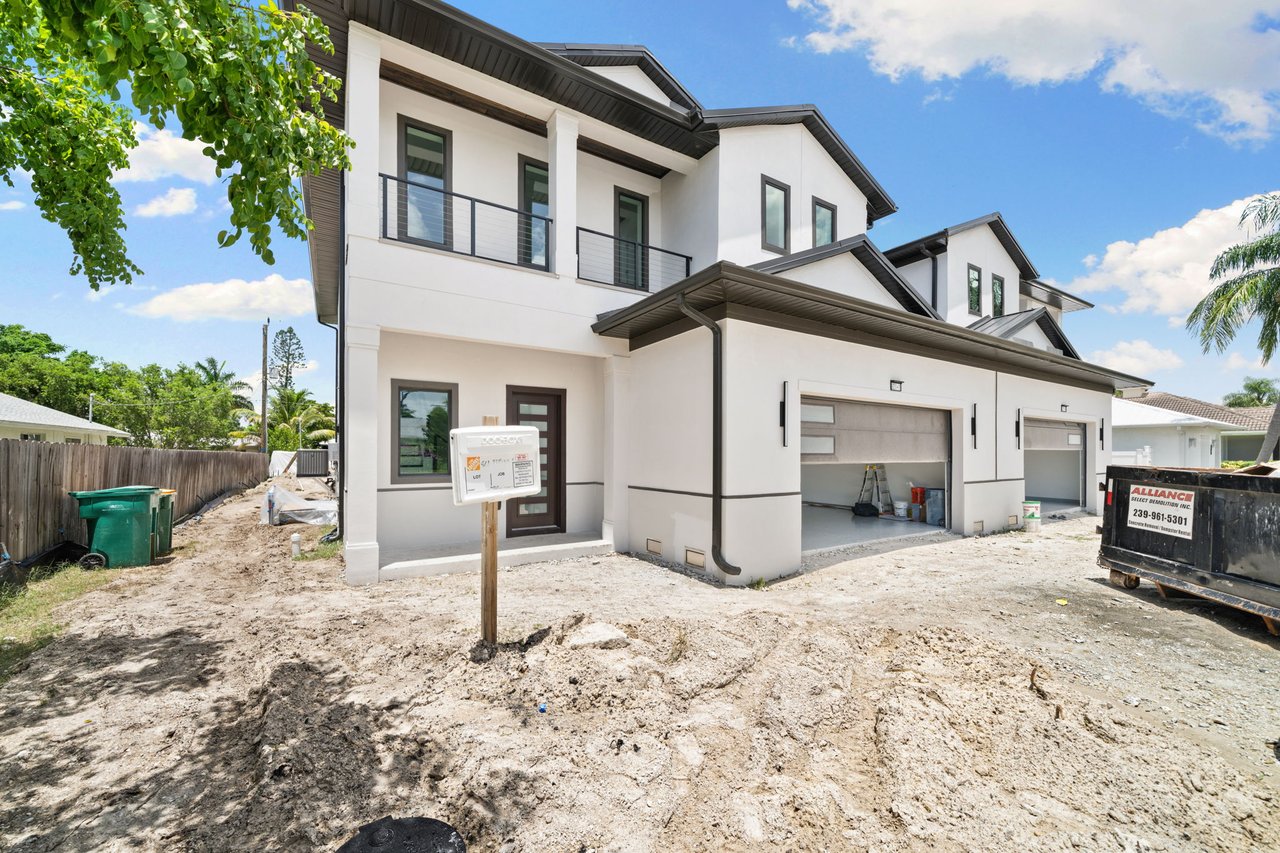
buyers
Understanding the differences, advantages, and lifestyle fit for spec homes versus building from scratch in Naples.
Get assistance in determining current property value, crafting a competitive offer, writing and negotiating a contract, and much more. Contact her today.