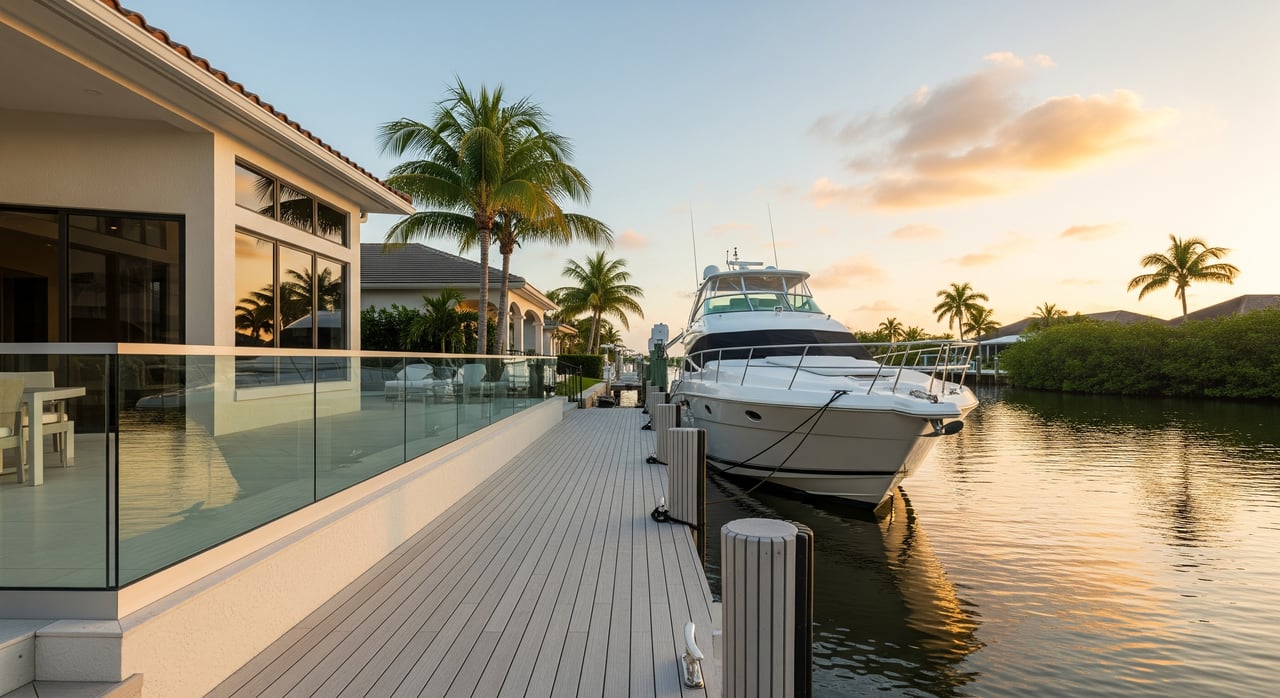
Boating Communities in Naples: A First-Time Guide
January 1, 2026
January 1, 2026
Thinking about a home where you can step from your back patio onto your boat? If you are new to Naples-area boating communities, the options, terms, and rules can feel overwhelming. This guide breaks down key features, how Bonita Bay fits into the picture, and what to verify before you buy. You will leave with a clear checklist and glossary so your first visit is focused and confident. Let’s dive in.
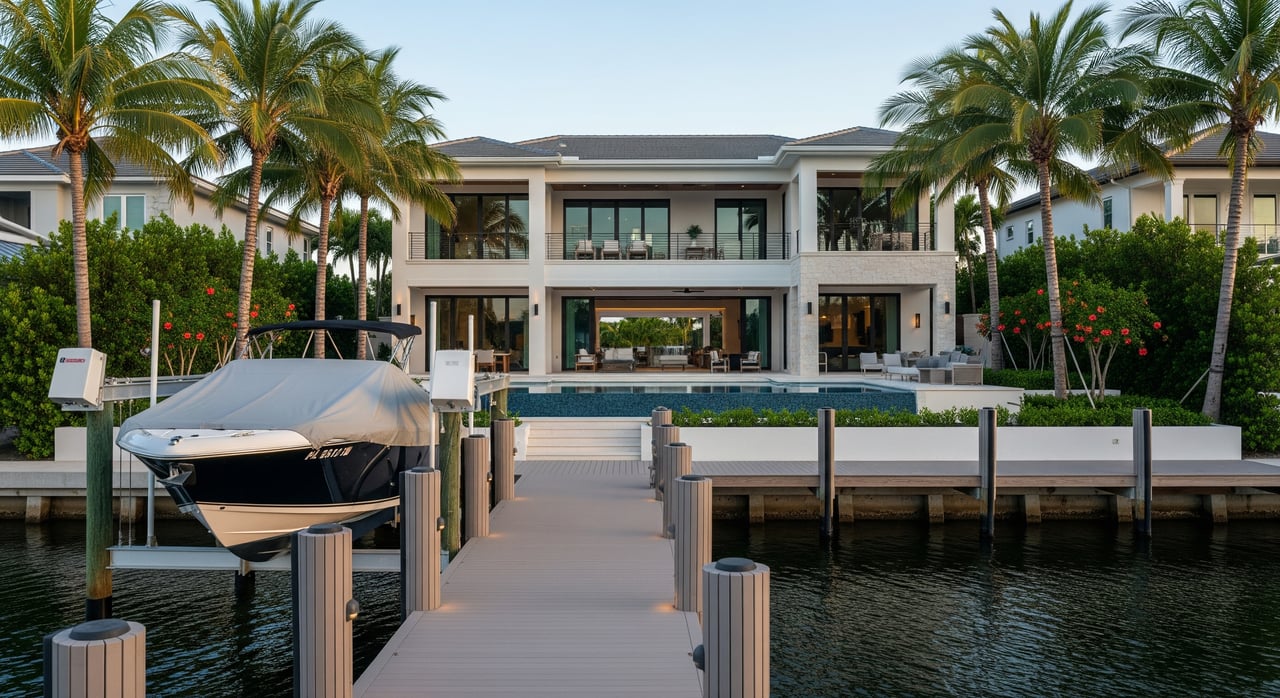
A boating community blends residential living with built-in water access. You will often find docks, marinas, canal systems, or bay frontage that support day cruising, fishing, and paddle sports. What matters most are the waterways, marina facilities, slip rules, and how quickly you can reach protected estuaries or the Gulf. Always verify specifics with the community association or marina operator, because details vary block by block.
Bonita Bay is a planned waterfront community in Bonita Springs, Lee County, near Naples. It includes canal-front and bayfront neighborhoods with community-managed marine facilities and shoreline access. Buyers here often prioritize easy launching for center consoles and dayboats, a strong social boating culture, and protected internal waterways. Rules, slip inventories, and access vary by village or association, so confirm everything with the HOA, the marina office, or your listing agent.
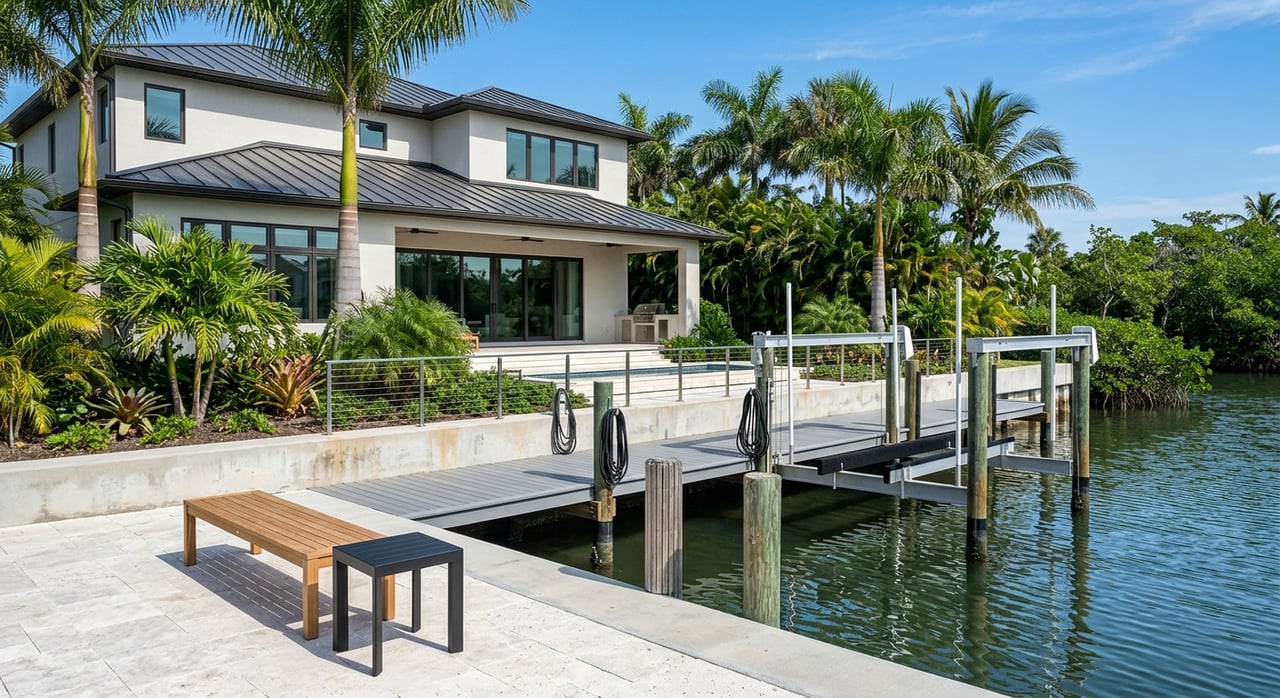
Marinas in this area use both fixed and floating docks. Fixed docks suit stable, shallow settings, while floating docks rise and fall with the tide. You may also see finger piers, pilings, bulkheads or seawalls, fairways, transient guest slips, pump-out stations, fuel docks, and rack or stack storage for smaller boats and personal watercraft. Services can include valet, onsite maintenance, security, shore power and water, travel-lift access, and upland storage.
Clarify how the slip is controlled, whether it transfers at closing, and any transfer or assignment fees. Your ownership model affects resale flexibility and long-term costs.
Request the marina layout chart, slip dimensions, recent depth soundings, slip agreements, and any HOA covenants that impact boat storage or use.
Naples-area boating often starts in local bays and estuaries, such as Estero Bay, before heading through passes to the Gulf. Your route and travel time depend on your boat’s draft and speed, tides, and current channel conditions. Use current nautical charts and local knowledge from marina staff or captains to plan safe runs and avoid shoaling.
Florida boating rules and safety requirements are set by the Florida Fish and Wildlife Conservation Commission, and U.S. Coast Guard rules apply on federal waters. Dock, seawall, and piling work typically needs local permits plus state environmental approvals, and sometimes federal permitting if wetlands or regulated waters are affected. Environmental protections include seagrass conservation, mangrove regulations, manatee zones, and sewage discharge rules. Many marinas participate in pump-out programs supported by the Clean Vessel Act.
Hurricanes and tropical storms bring surge and wind risk that can impact marinas. Ask for written hurricane plans and storm procedures. Shoaling and shifting sandbars are common in Southwest Florida, so updated charts and tide data are essential. Follow no-wake and speed zones to protect wildlife, and be mindful of wake impacts in narrow canals.
Request recent HOA operating budgets, reserve studies, and special assessment histories to understand future obligations.
Boats are commonly insured separately from the home policy. Marinas and HOAs may require proof of coverage, specific liability limits, and certain policy clauses. Understand how named-storm deductibles work and whether your boat is covered for agreed value or actual cash value. Confirm any requirements for additional insureds or waivers of subrogation.
Community CC&Rs may limit boat size, number of boats per lot, where boats can be stored, and whether fueling or maintenance can occur on site. Guest docking rules and transient policies vary. Some communities offer private yacht clubs with events, lessons, and group trips. Review membership requirements and costs if that social structure matters to you.
Think about how often you will use your boat and how quickly you want to get underway. Having a slip near your residence makes spontaneous outings easier than relying on a community ramp. Look for paddleboard and kayak launch options, fishing piers, and nearby dining on the water. Proximity to mechanics, fuel, and provisioning can reduce hassle and downtime.
Use this list when touring homes in Bonita Bay or similar boating communities:
Choosing the right boating community is about matching your lifestyle to the water, infrastructure, and rules. In Bonita Bay and nearby Naples markets, slip type, ownership model, depth, and HOA terms drive both convenience and value. Do the document checks, confirm the technical details, and factor in ongoing costs so your investment supports years of stress-free time on the water.
If you want a curated list of homes and candid guidance tailored to how you boat, reach out to Angela Graziano. You will get white-glove buyer representation, local market insight, and a streamlined path to the right fit.
Stay up to date on the latest real estate trends.
New Construction
Why local expertise and new construction experience matter in a shifting Naples real estate market.
Get assistance in determining current property value, crafting a competitive offer, writing and negotiating a contract, and much more. Contact her today.
Angela Graziano is a Naples, Florida real estate agent serving buyers and sellers throughout Naples, FL and nearby Southwest Florida communities including Bonita Springs, Estero, Fort Myers, and Marco Island.
Naples, FL
Looking for a real estate agent in Naples, FL or the surrounding Southwest Florida area? Angela provides a clear strategy, strong negotiation, and an organized contract-to-close process.